
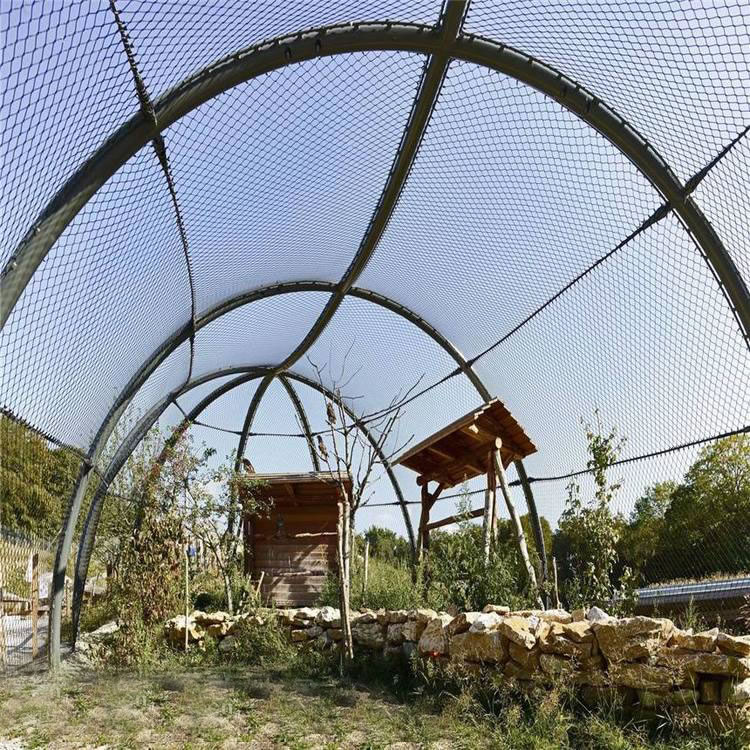
In the world of modern zoological design and wildlife management, the choice of containment is no longer just about keeping animals “in.” It is a complex science that balances animal welfare, public safety, structural longevity, and—perhaps most importantly—the visitor experience. Choosing between the various types of fencing for animals can be the difference between a high-maintenance, visually obstructive cage and a seamless, naturalistic habitat.
At Hebmetalmesh, we have spent years at the intersection of metallurgy and wildlife conservation. We understand that a primate enclosure in a high-traffic city zoo has vastly different requirements than a remote bird park aviary or a private farm perimeter.
In this exhaustive guide, we will analyze the primary fencing solutions available today, evaluate their performance across different species, and explain why custom-engineered stainless steel solutions are becoming the global standard for prestigious zoological institutions.
Key Takeaways for Zoo Directors and Exhibit Designers
If you are looking for a quick summary of modern animal containment trends, keep these points in mind:
- Safety First: Containment must prevent both escape and “intruder” entry while being soft enough to prevent animal injury.
- Visibility Matters: Black oxide finishes are the industry standard for making fences “disappear” for the public.
- Material Selection: Grade 316 stainless steel is essential for coastal or high-corrosion environments.
- Customization Saves Money: Ordering custom-sized rolls eliminates on-site cutting waste and reduces labor costs.
- Sustainability: Stainless steel mesh has a 30+ year lifespan, making it the most cost-effective long-term investment.